Ambiente e Società
Il mare non chiede il permesso.
Arriva. Si ritira. Torna.
Da prima che esistessero parole per nominarlo, da prima che qualcuno decidesse di fermarcisi vicino e chiamarlo casa — il mare era già lì. Indifferente, maestoso, più antico di qualsiasi cosa l’uomo abbia mai costruito o distrutto.
Eppure lo stiamo distruggendo.
Queste opere nascono dall’abitare. Non dal visitare — dall’abitare. C’è una differenza enorme tra chi guarda il mare da turista e chi lo conosce nelle stagioni che i turisti non vedono: il grigio di novembre, la violenza di una mareggiata, la luce piatta di un mattino di gennaio in cui sei solo tu e l’orizzonte e nient’altro.
Chi ha vissuto quegli ambienti li porta dentro. Nelle mani, negli occhi, nel modo di stare al mondo. E quando quell’esperienza diventa opera, non è paesaggio — è memoria. Non è rappresentazione — è appartenenza.
Il mare in queste tele non è sfondo. È protagonista, interlocutore, presenza viva. Porta con sé tutto ciò che contiene e tutto ciò che rischia di perdere. La sua bellezza non è mai solo estetica — è un promemoria urgente, una domanda che brucia sotto la superficie:Fino a quando?
Tutelare l’ambiente non è un tema. È la condizione di tutto il resto. Senza mare vivo, senza natura intatta, senza ecosistemi che respirano — non c’è arte, non c’è bellezza, non c’è futuro da immaginare.
Guardare queste opere significa guardare qualcosa che potremmo perdere. E capire, forse, che non ce lo possiamo permettere.
Informazioni
Generali
-
Nome del progetto
Senza Nome
-
Anno di Inizio del progetto
2015
Environment and society
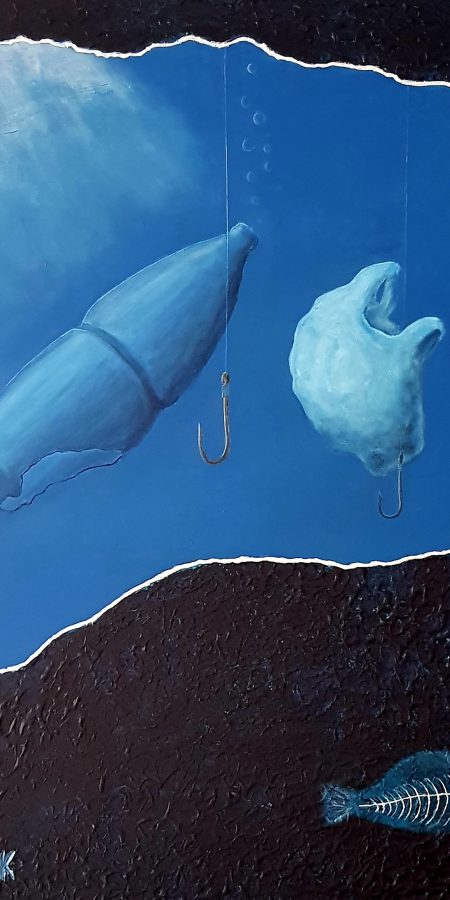
The Sea Doesn’t Ask for Permission
It arrives. It withdraws. It returns.
Long before there were words to name it, long before anyone chose to settle beside it and call it home — the sea was already there. Indifferent, majestic, older than anything humanity has ever built or destroyed.
And yet we are destroying it.
These works are born from inhabiting. Not visiting — inhabiting. There is a vast difference between someone who looks at the sea as a tourist and someone who knows it in the seasons tourists never see: the grey of November, the violence of a storm surge, the flat light of a January morning when it’s just you and the horizon and nothing else.
Those who have lived in such places carry them inside. In their hands, in their eyes, in their way of being in the world. And when that experience becomes art, it is not landscape — it is memory. Not representation — belonging.
In these paintings, the sea is not a backdrop. It is the protagonist, the interlocutor, a living presence. It carries with it everything it contains and everything it risks losing. Its beauty is never merely aesthetic — it is an urgent reminder, a question burning beneath the surface: For how long?
Protecting the environment is not a topic. It is the condition for everything else. Without a living sea, without intact nature, without ecosystems that can breathe — there is no art, no beauty, no future to imagine.
Looking at these works means looking at something we could lose. And realizing, perhaps, that we cannot afford to.
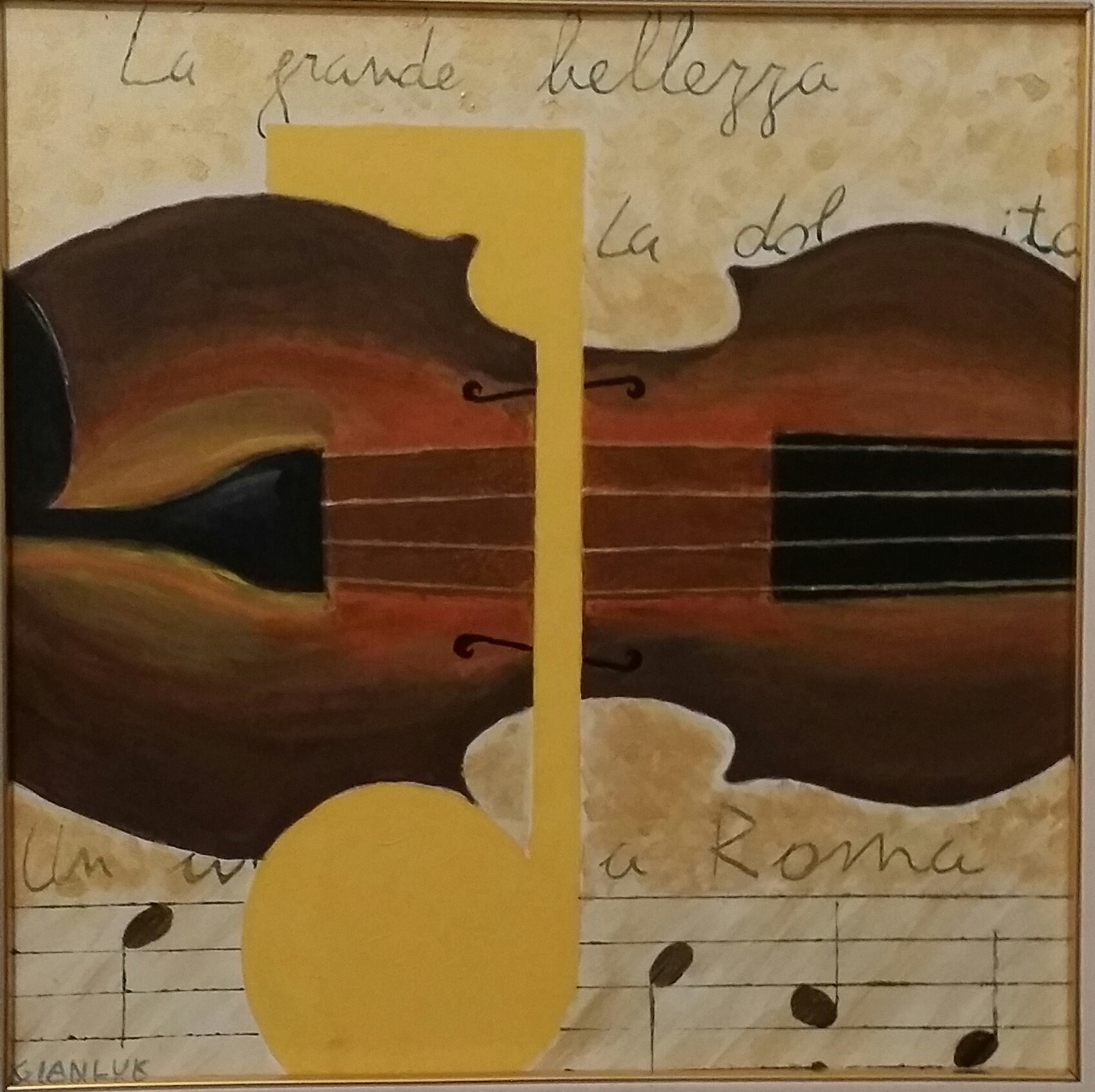
La grande bellezza
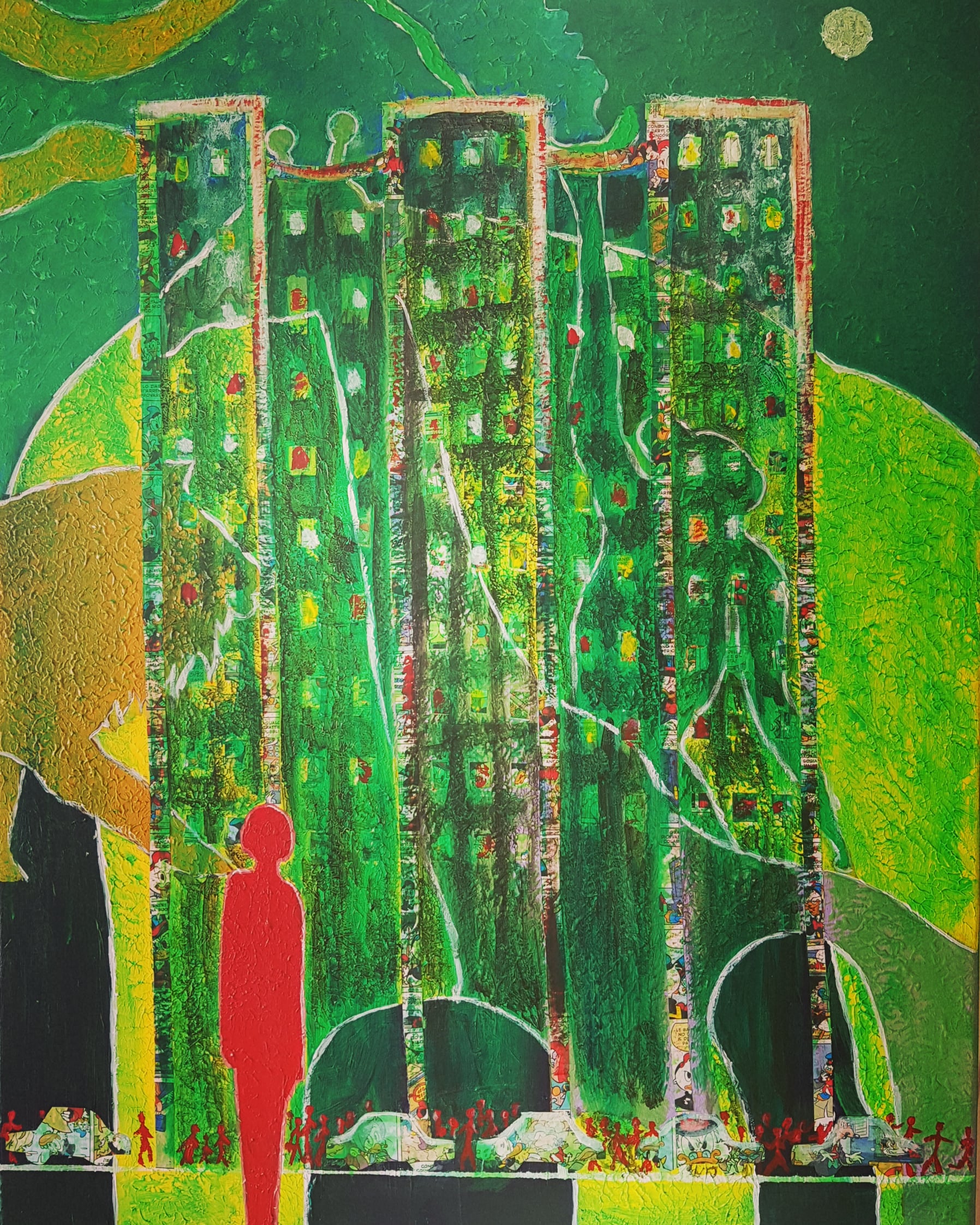
La Giungla
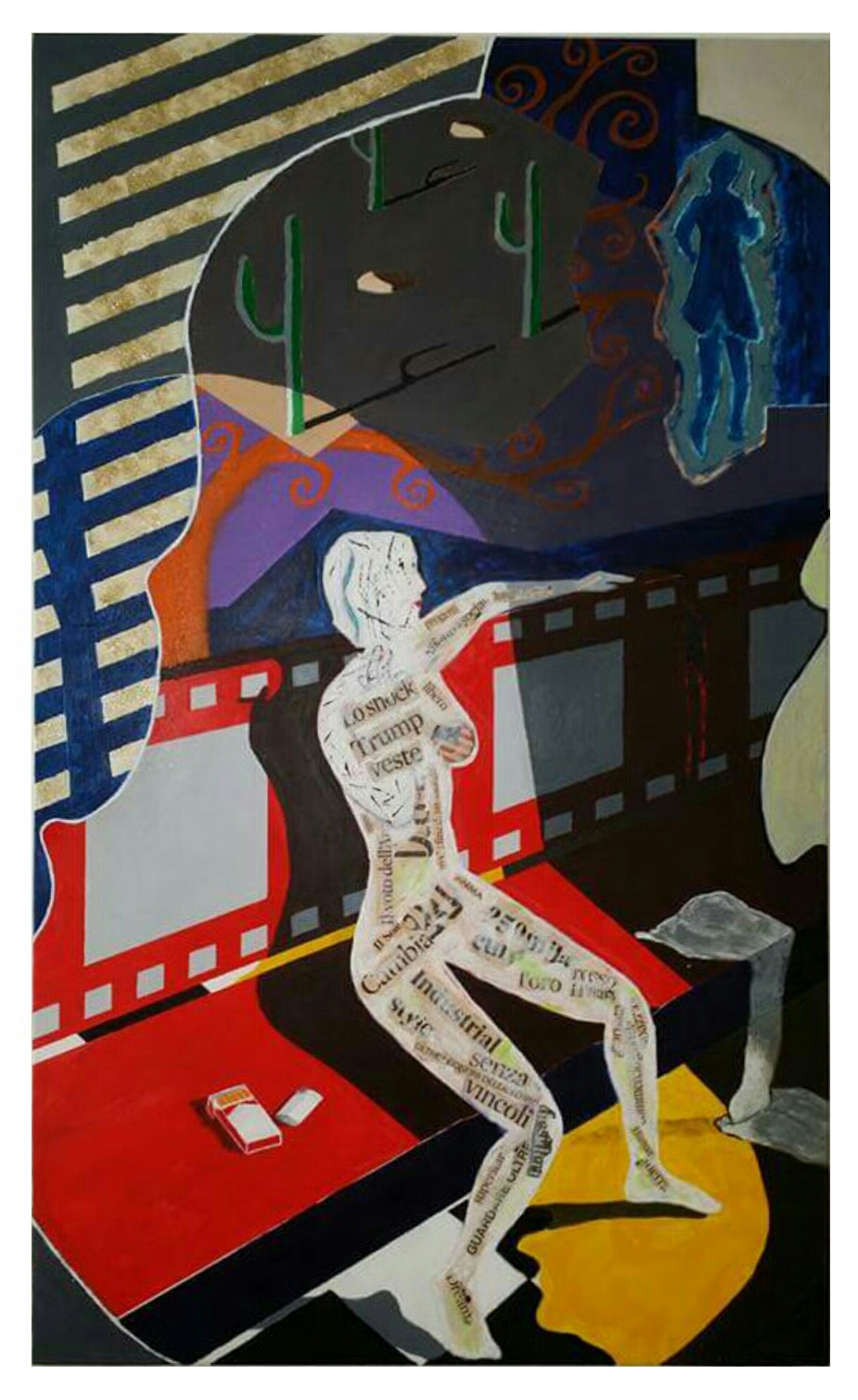
La donna del violino
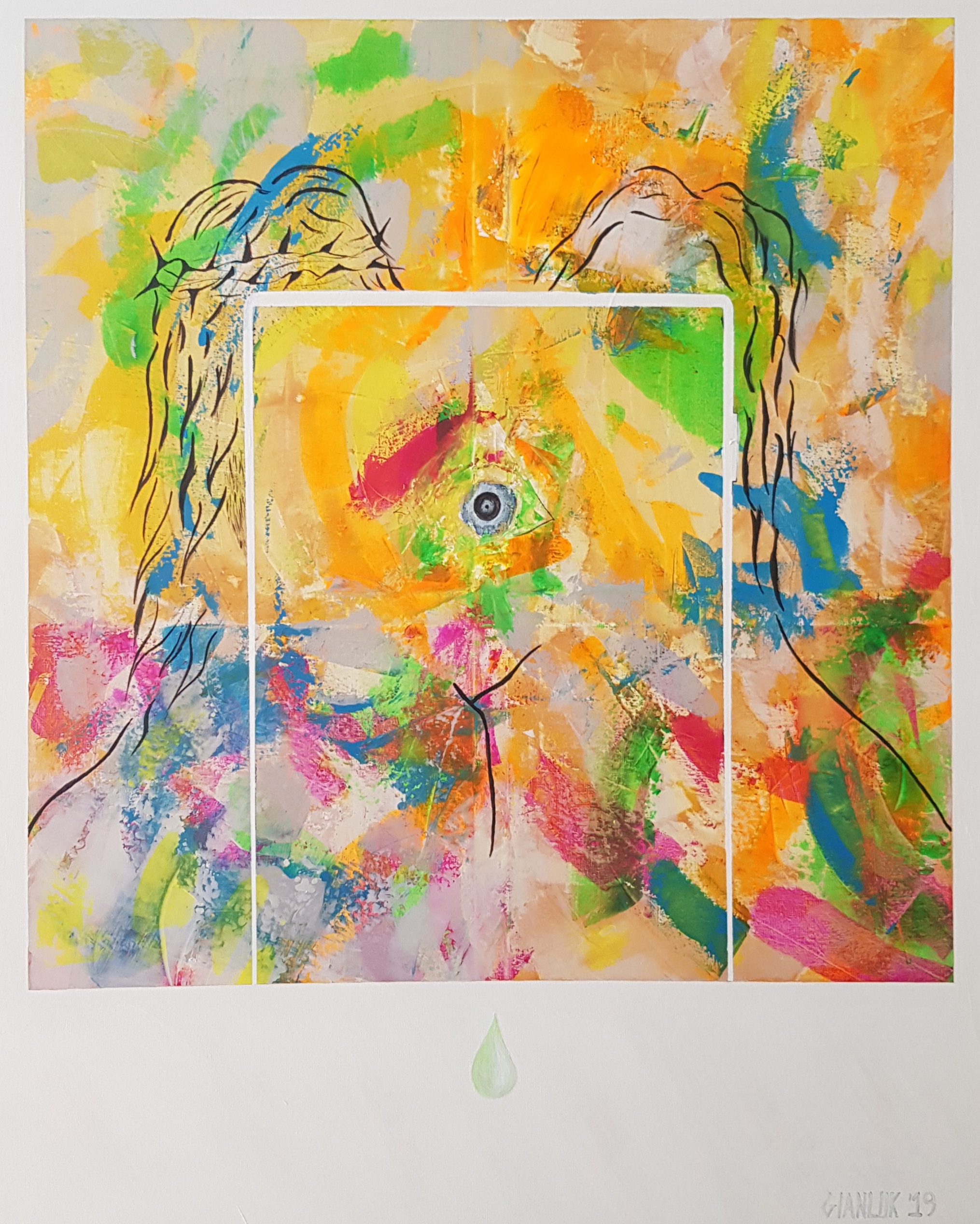
L'occhio di Dio
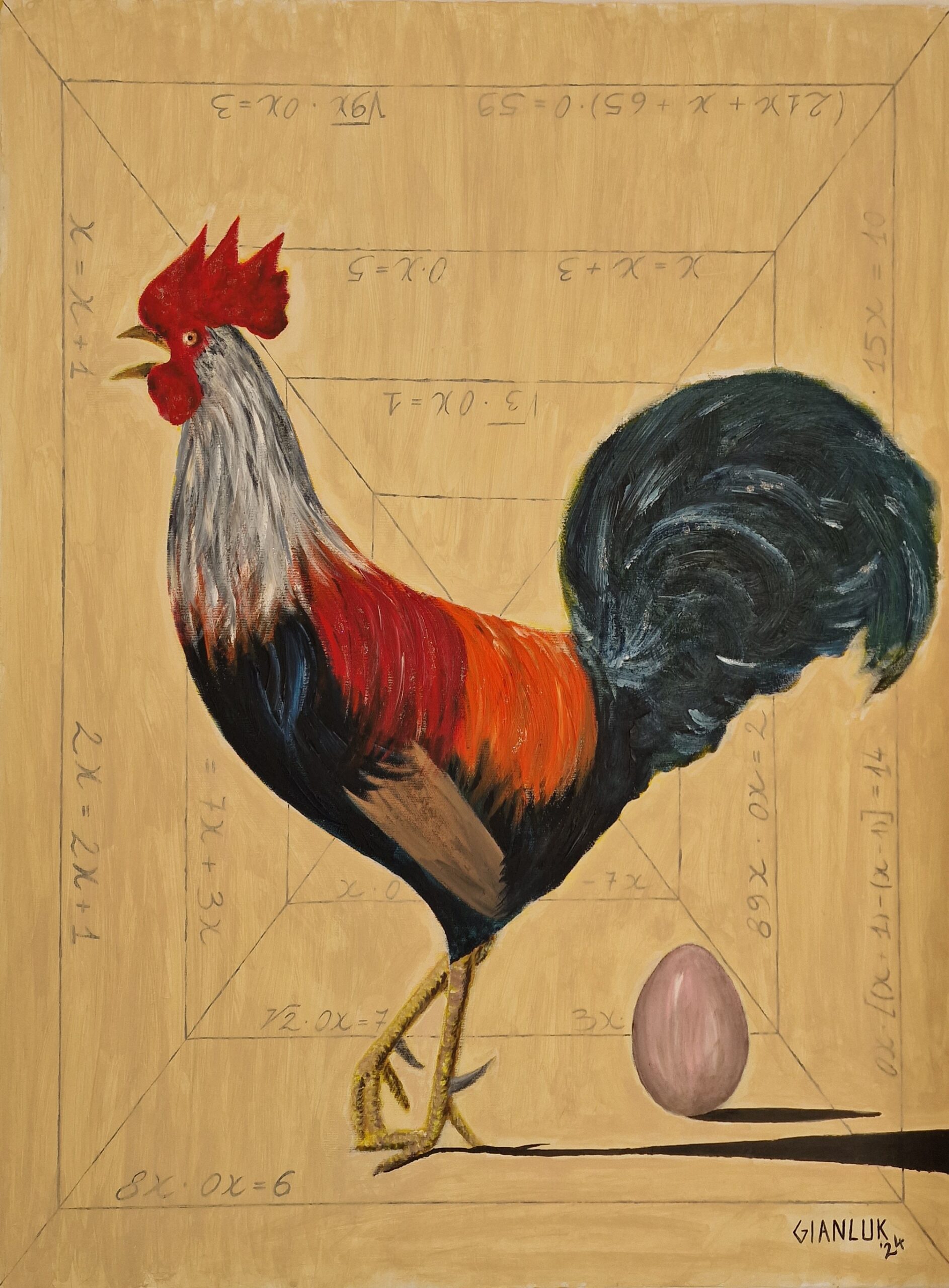
L'impossibile
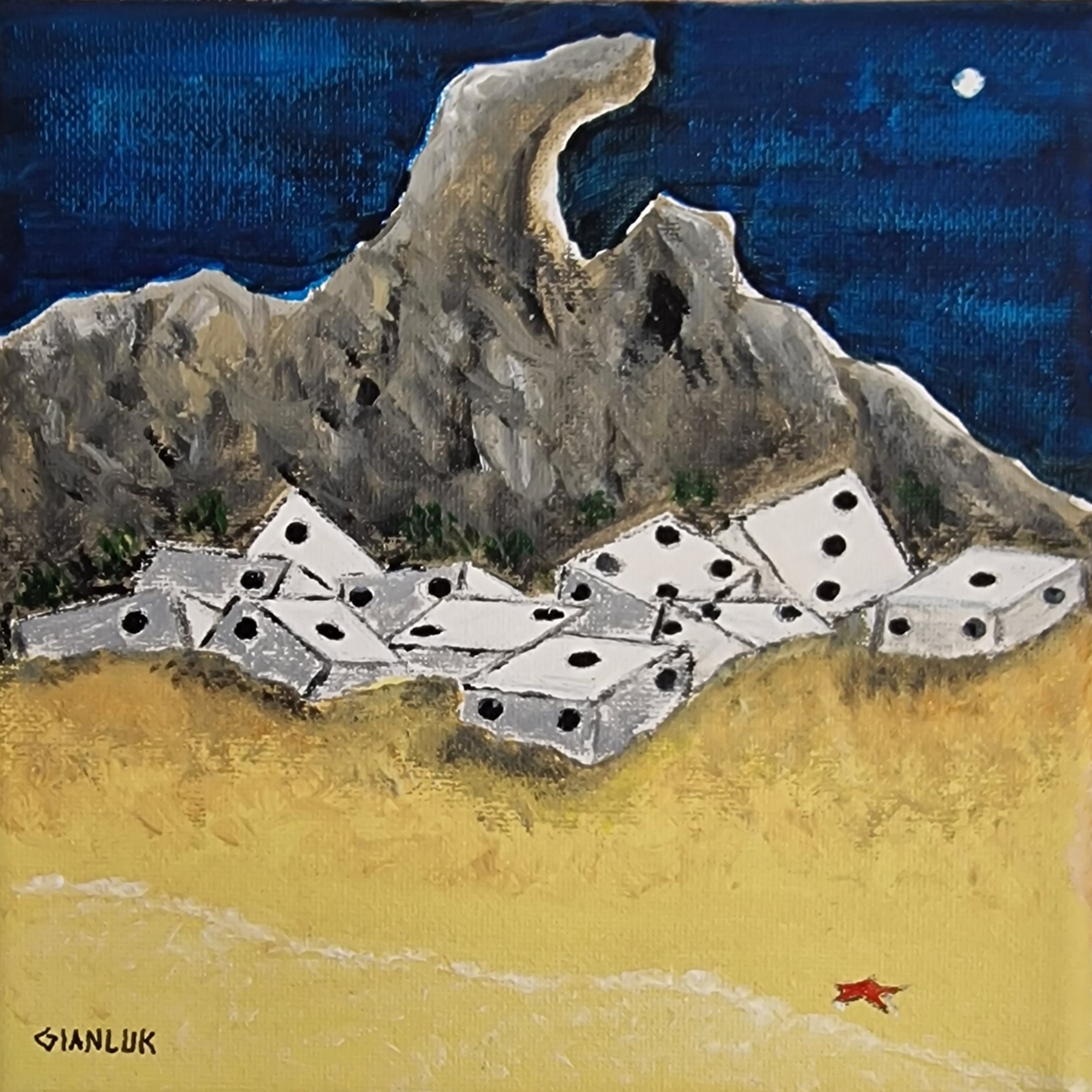
L'Esperienza
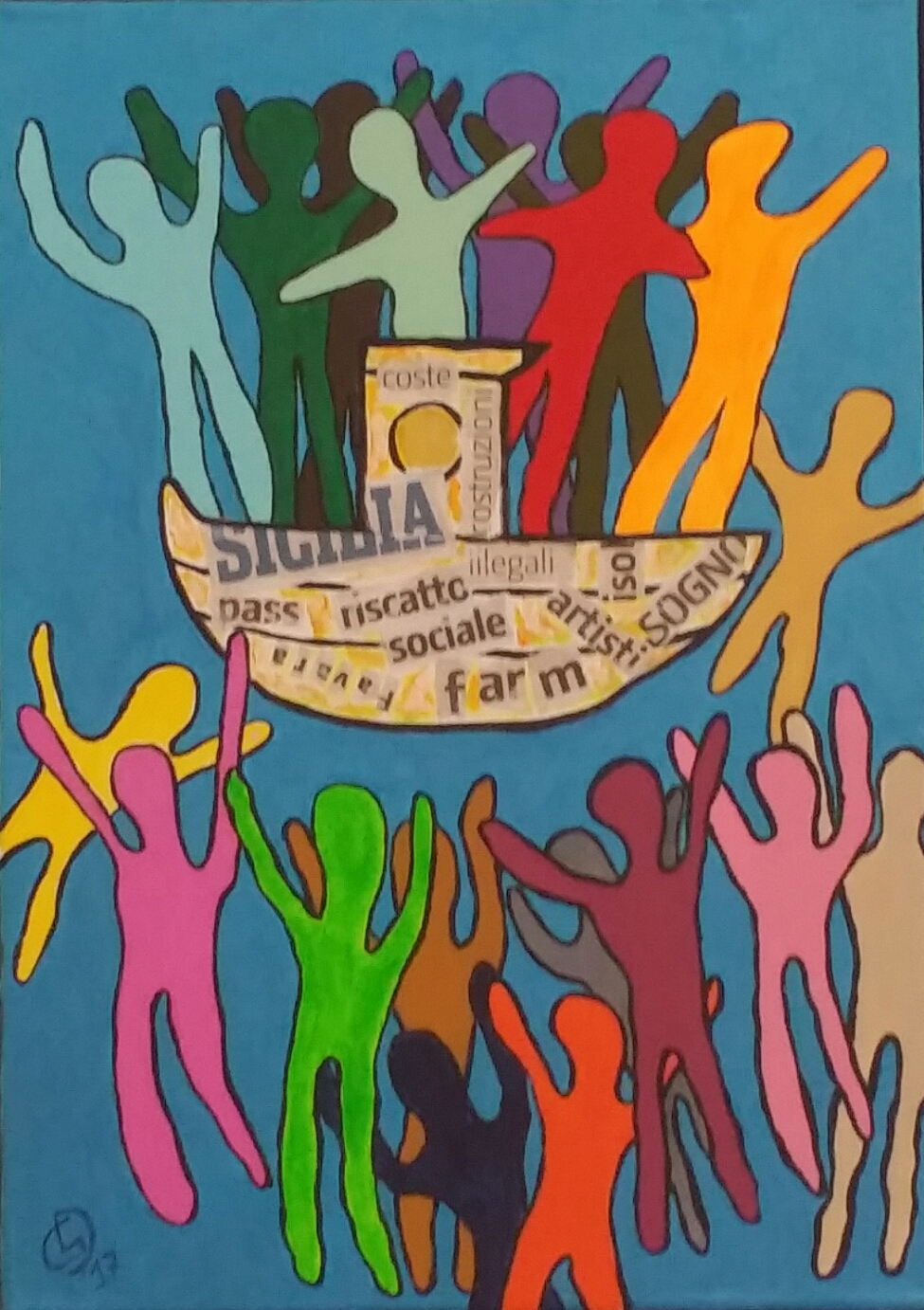
L'arca di Favara
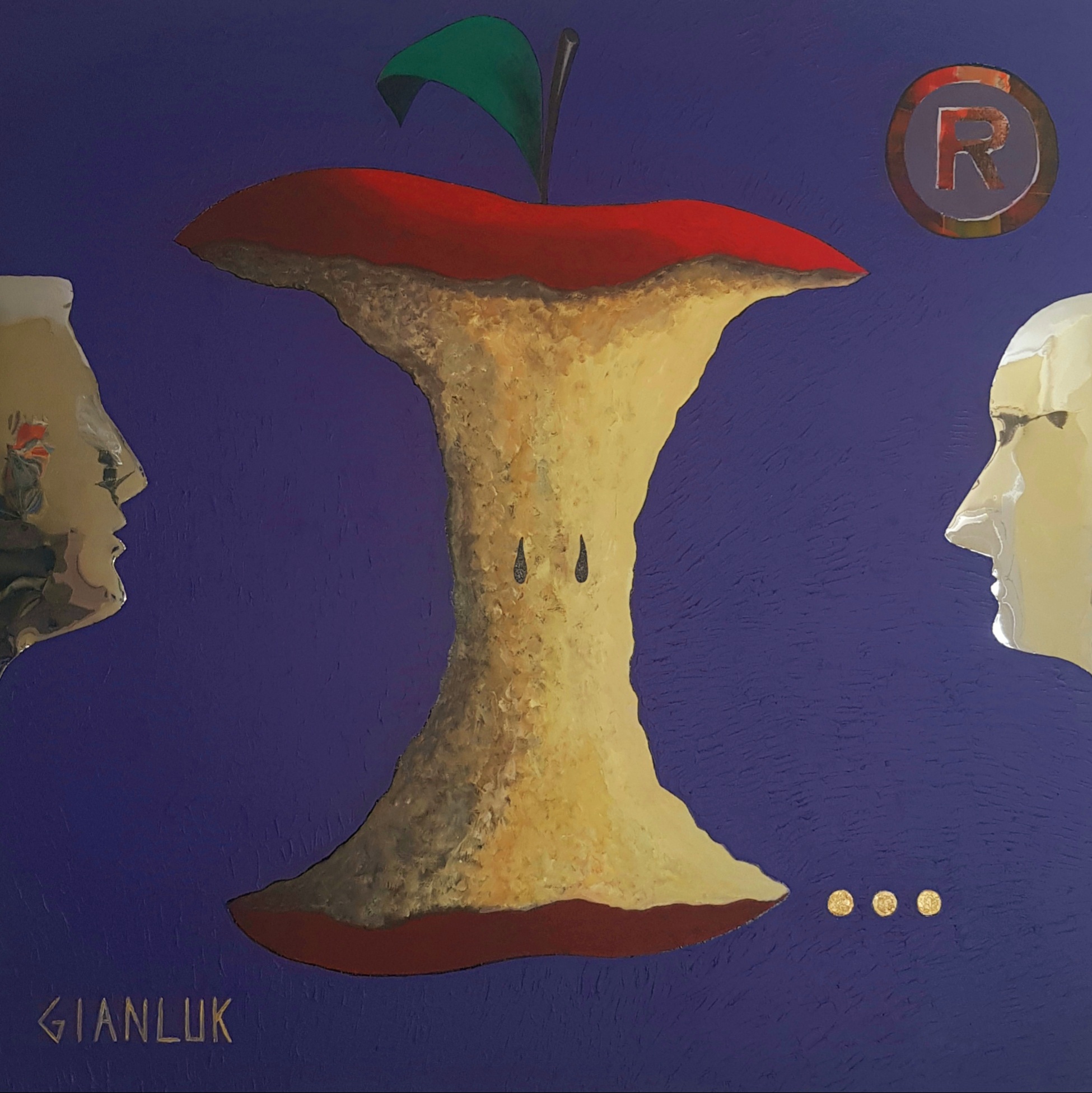
Il volto del peccato
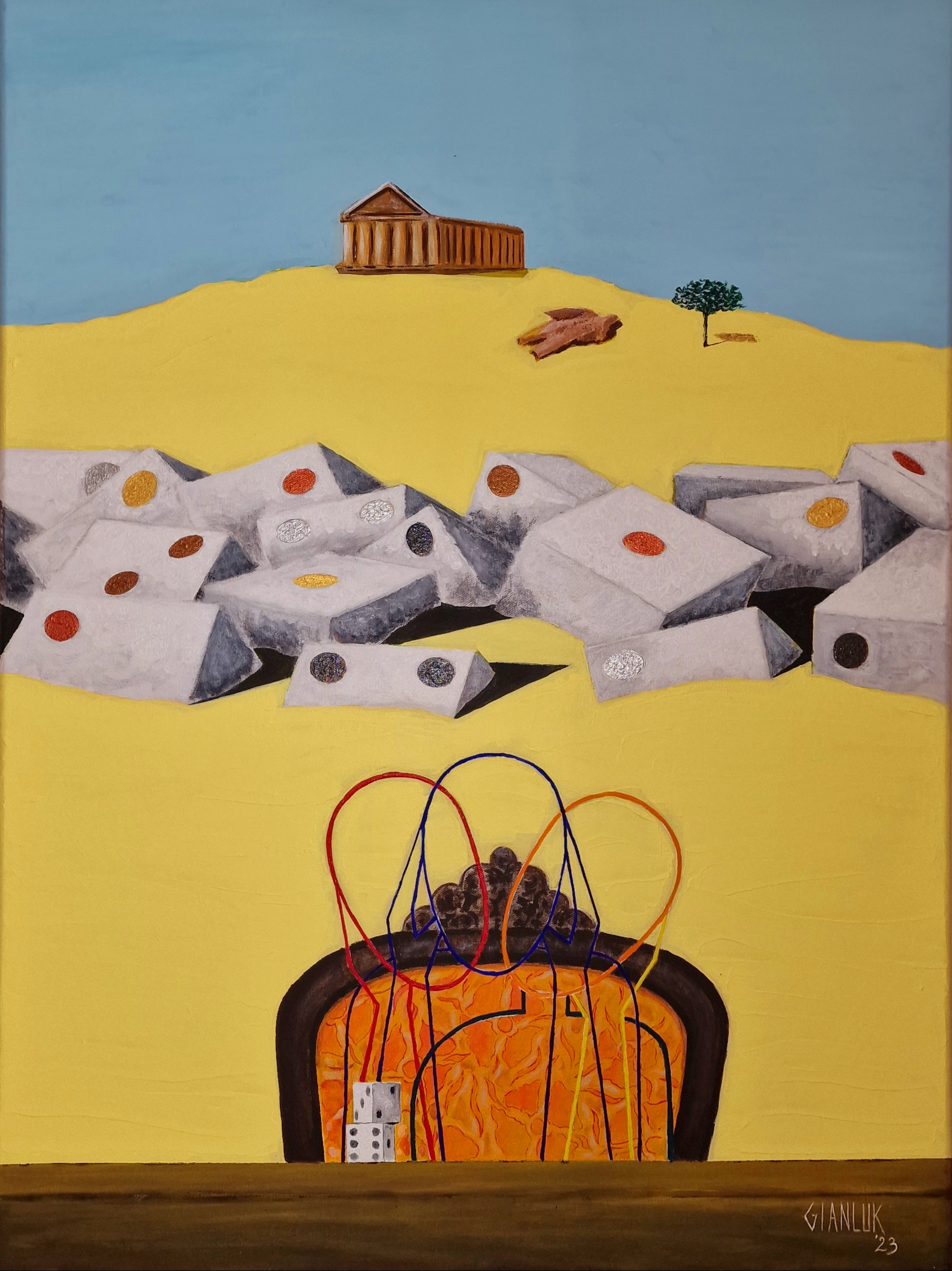
Il Teatro della Scelta
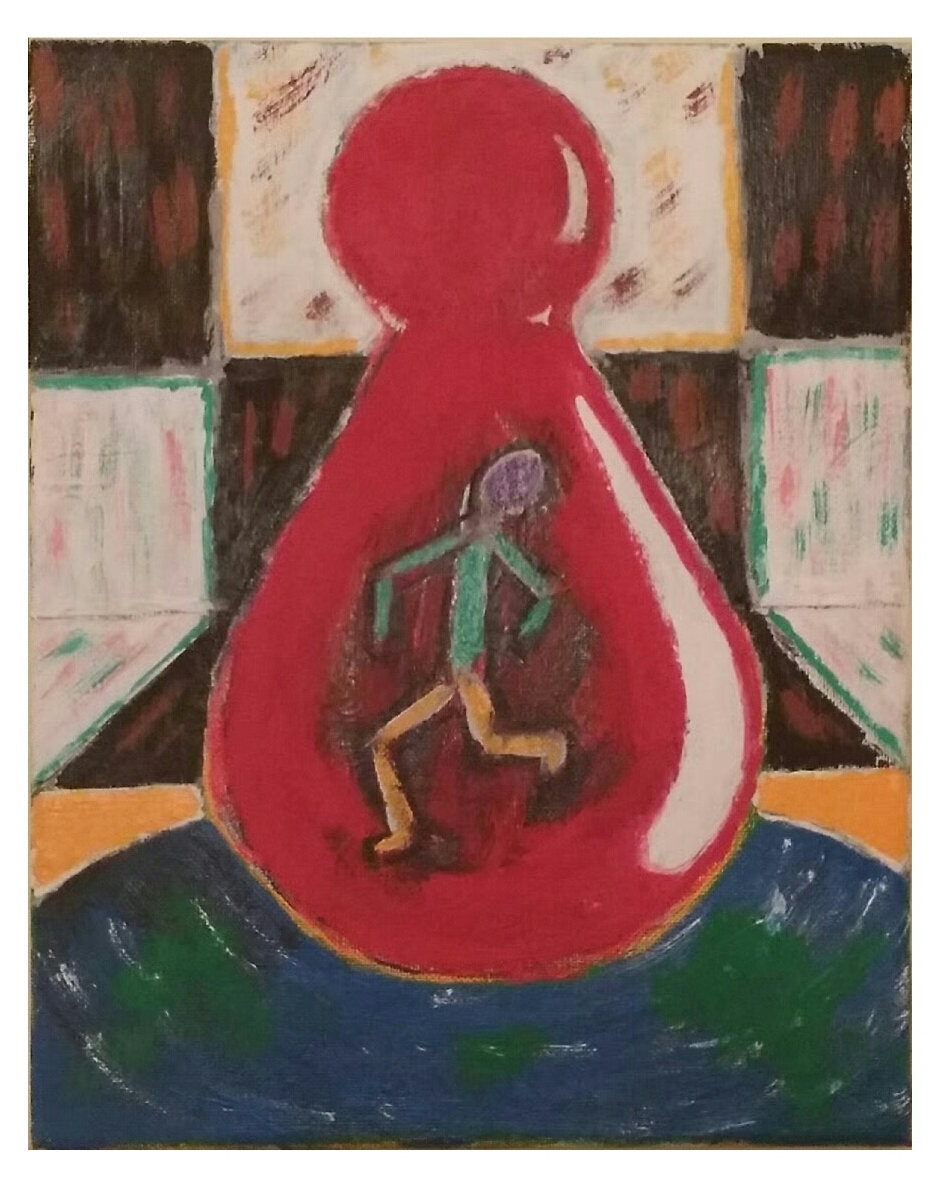
Il Pedone
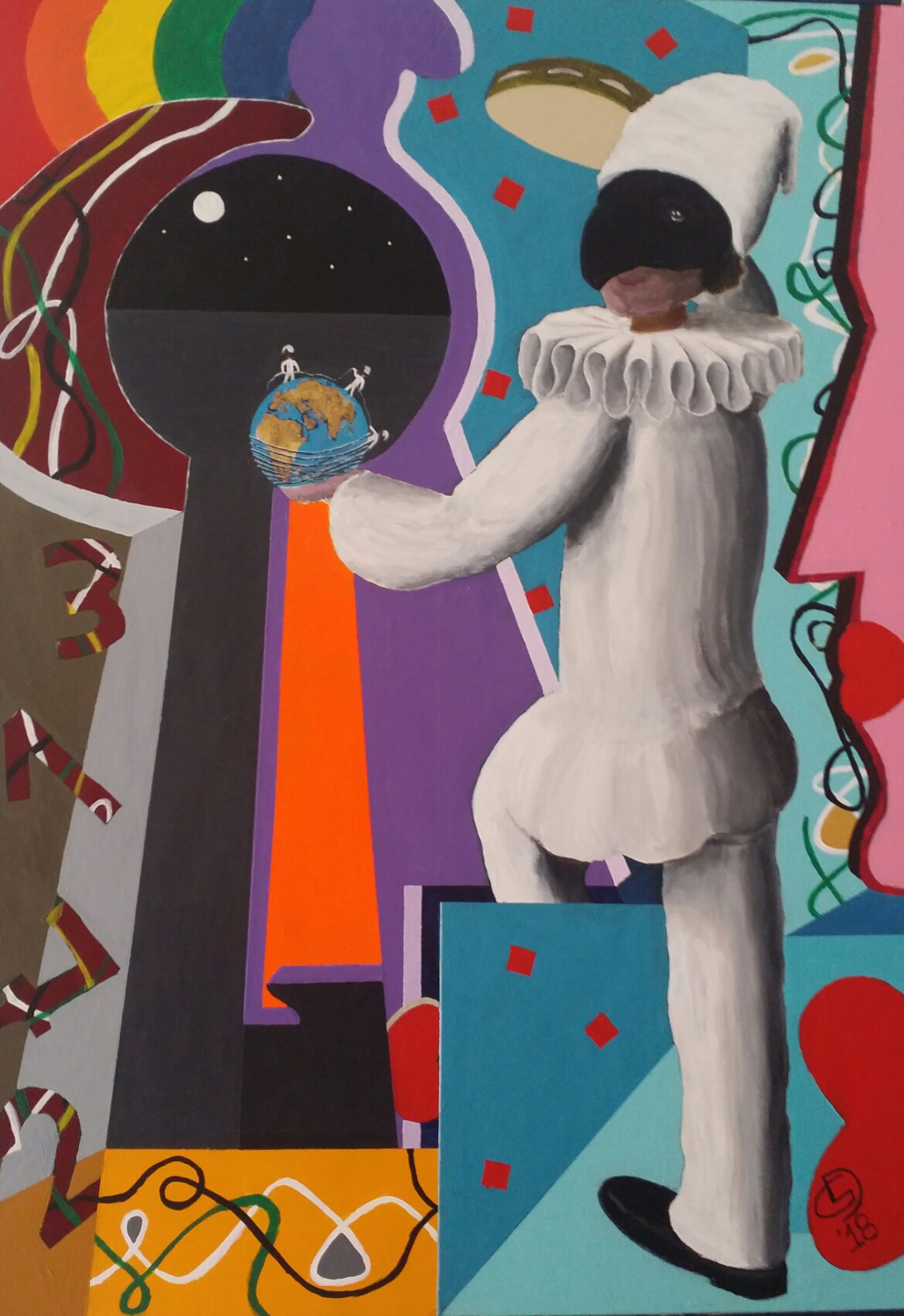
Il mondo di pulcinella
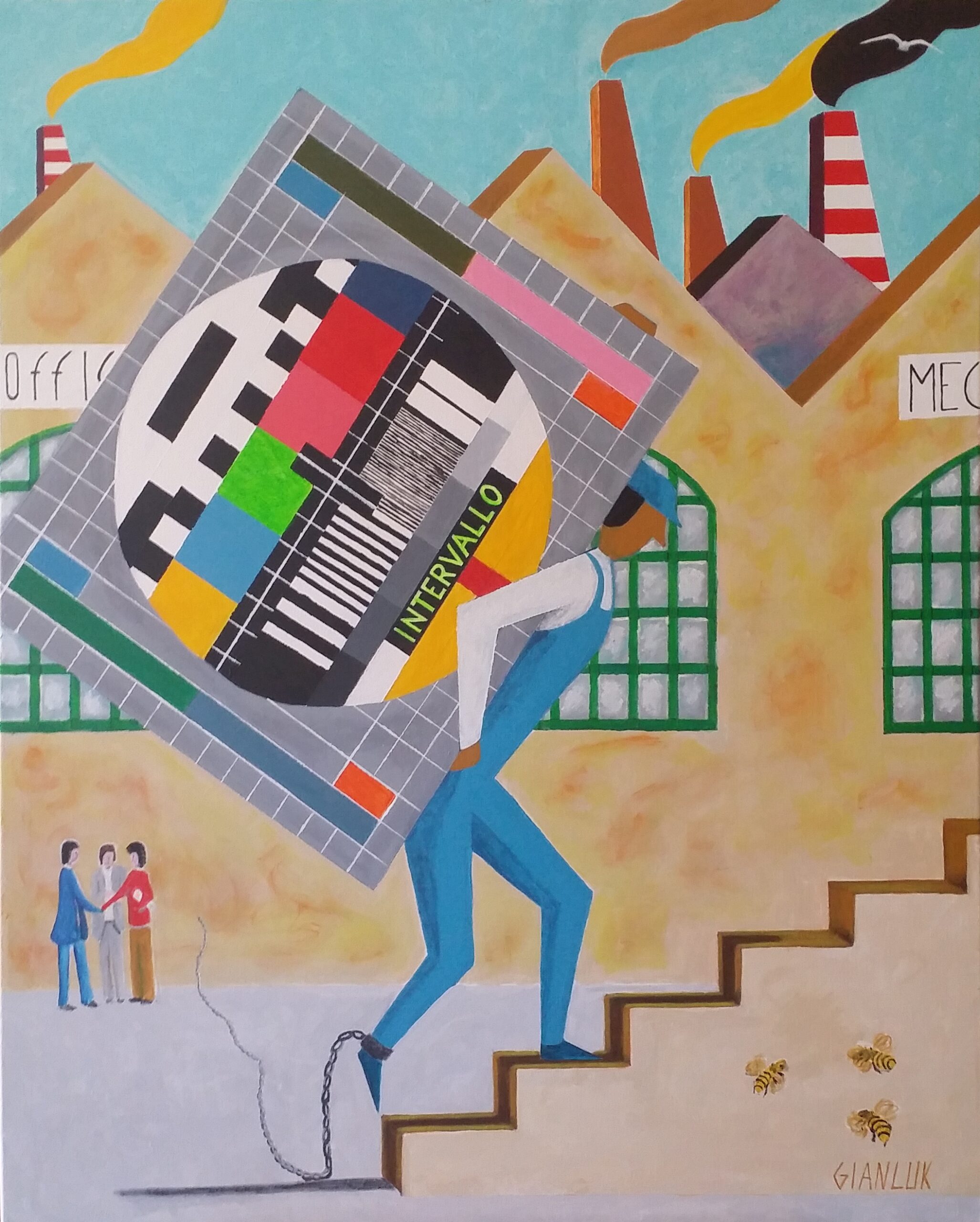
Il lavoro 2.0