I Sogni
L’aereoplanino e il sogno che non atterra mai
Chiudi gli occhi. Hai sette anni.
Hai piegato un foglio di carta — forse strappato da un quaderno, forse rubato alla risma di tuo padre — con quella concentrazione assoluta che solo i bambini sanno avere. Ogni piega deve essere perfetta. Ogni angolo, preciso. Perché sai, con la certezza che precede ogni ragionamento, che da quella precisione dipende qualcosa di enorme.
Poi lo lanci. E per un istante — quell’istante che dura tutta la vita — lui vola.
I surrealisti lo sapevano. Lo sapeva Dalí, lo sapeva Magritte, lo sapeva chiunque abbia mai avuto il coraggio di guardare dentro un sogno senza scappare: che la realtà più vera non è quella che si tocca, ma quella che si sente. Che esistono oggetti semplici — un orologio, una mela, un uccello — capaci di portare dentro di sé il peso di un intero universo invisibile.
L’aereoplanino di carta è uno di questi oggetti.
Non è un giocattolo. Non è mai stato soltanto un giocattolo. È la prima architettura che costruiamo con le nostre mani — e la prima cosa che lasciamo andare. È la scoperta che qualcosa di fragile, fatto di niente, può sfidare la gravità. Che l’imponderabile esiste. Che la magia non richiede formule né bacchette: richiede solo una piega giusta, un respiro, e il coraggio di aprire le dita.
Per interi bambini di quella generazione, lanciare un aereoplanino era compiere un atto cosmico. Era partecipare, per qualche secondo di planata perfetta, a qualcosa di più grande — al volo, all’infinito, al sogno nel suo stato più puro e più fisico.
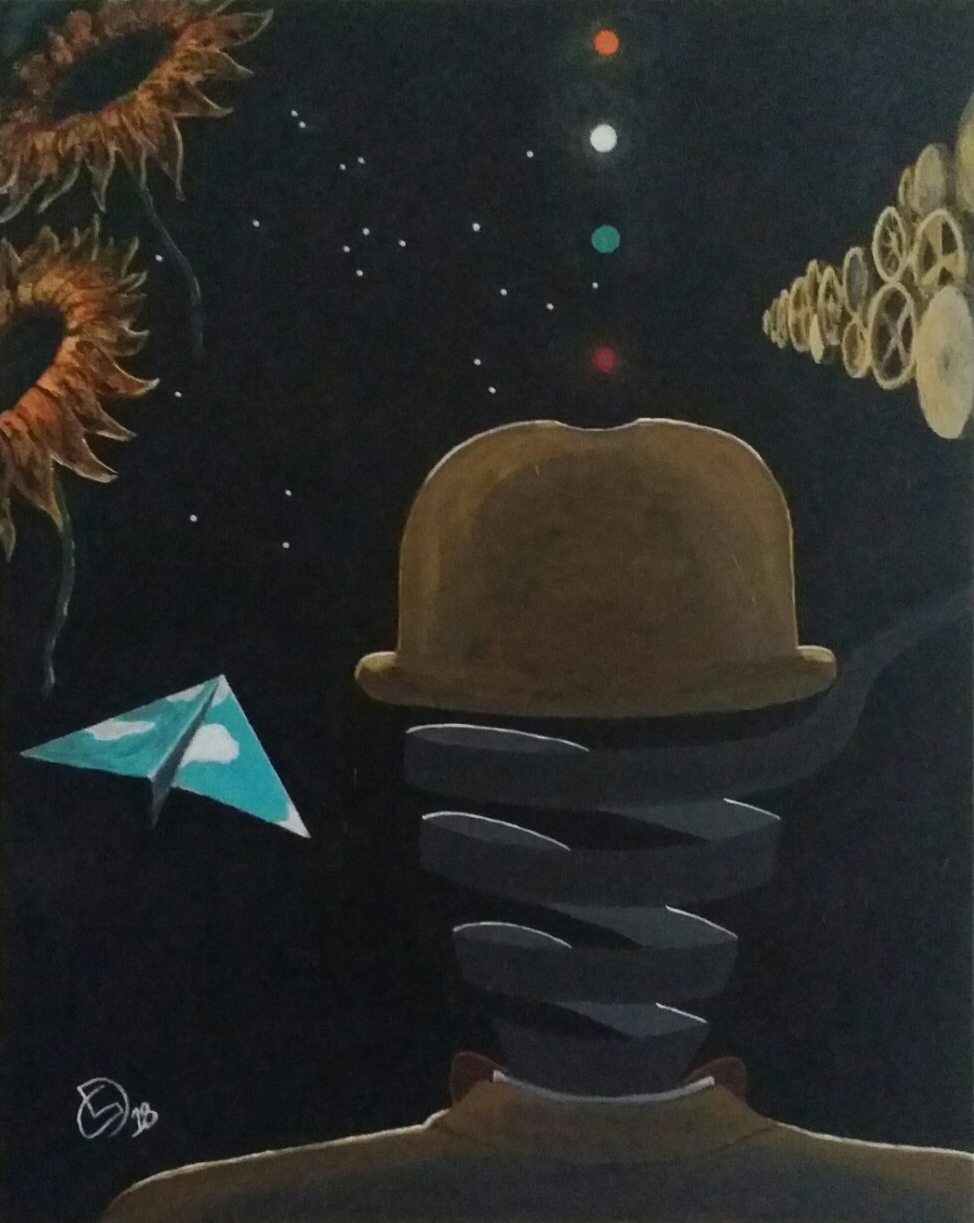
Nelle opere di questo ciclo, quegli aereoplanini tornano. Ma il contesto è cambiato. Sono cresciuti, come l’autore. Come noi.
Appaiono in paesaggi che non appartengono all’infanzia — o forse le appartengono più di qualunque altro luogo. Fluttuano in spazi sospesi, attraversano confini tra mondi, si posano su superfici che non dovrebbero reggerli. E proprio lì, in quella tensione tra la leggerezza della carta e il peso di tutto ciò che rappresenta, si apre la domanda che ogni sogno porta con sé:
Fin dove può arrivare ciò che abbiamo immaginato?
La risposta non è nella traiettoria dell’aereoplanino. È nell’occhio di chi lo guarda volare — e riconosce, in quel volo bianco e silenzioso, qualcosa che credeva di aver perduto da tempo.
Qualcosa che invece era lì. In attesa. Piegato con cura, pronto a essere rilasciato di nuovo.
Informazioni
Generali
-
Nome del progetto
I Sogni / Dreams
-
Anno di Inizio del progetto
2017
-
Il messaggio del progetto
Sognare è Necessario
Dreams
The Paper Airplane and the Dream That Never Lands
Close your eyes. You’re seven years old.
You’ve folded a sheet of paper — maybe torn from a notebook, maybe stolen from your father’s stack — with that absolute concentration only children possess. Every crease must be perfect. Every angle, exact. Because you know, with the kind of certainty that comes before any reasoning, that something enormous depends on that precision.
Then you throw it. And for a moment — that moment that lasts an entire lifetime — it flies.
The Surrealists understood this. Dalí knew it, Magritte knew it, anyone who ever dared to look inside a dream without running away knew it: the truest reality isn’t the one you can touch, but the one you can feel. That simple objects — a clock, an apple, a bird — can carry within them the weight of an entire invisible universe.
The paper airplane is one of those objects.
It isn’t a toy. It has never been just a toy. It is the first piece of architecture we build with our own hands — and the first thing we let go of. It is the discovery that something fragile, made of almost nothing, can defy gravity. That the impossible exists. That magic requires no formulas, no wands: only the right fold, a breath, and the courage to open your fingers.
For countless children of that generation, throwing a paper airplane was a cosmic act. For a few seconds of perfect glide, they were part of something larger — of flight, of infinity, of the dream in its purest and most physical form.
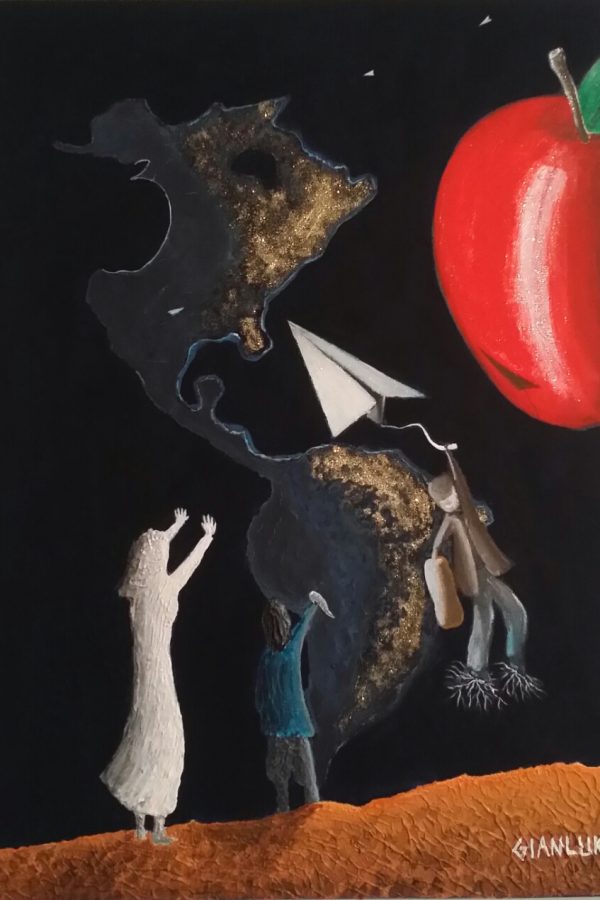
In the works of this cycle, those paper airplanes return. But the context has changed. They have grown, just as the artist has. Just as we have.
They appear in landscapes that do not belong to childhood — or perhaps belong to it more than any other place. They float in suspended spaces, cross boundaries between worlds, land on surfaces that should not be able to hold them. And right there, in that tension between the lightness of paper and the weight of everything it represents, the question that every dream carries opens up:
How far can what we imagine truly go?
The answer is not in the airplane’s trajectory. It is in the eye of the one watching it fly — and recognizing, in that white and silent flight, something they thought they had lost long ago.
Something that was still there. Waiting. Carefully folded, ready to be released again.
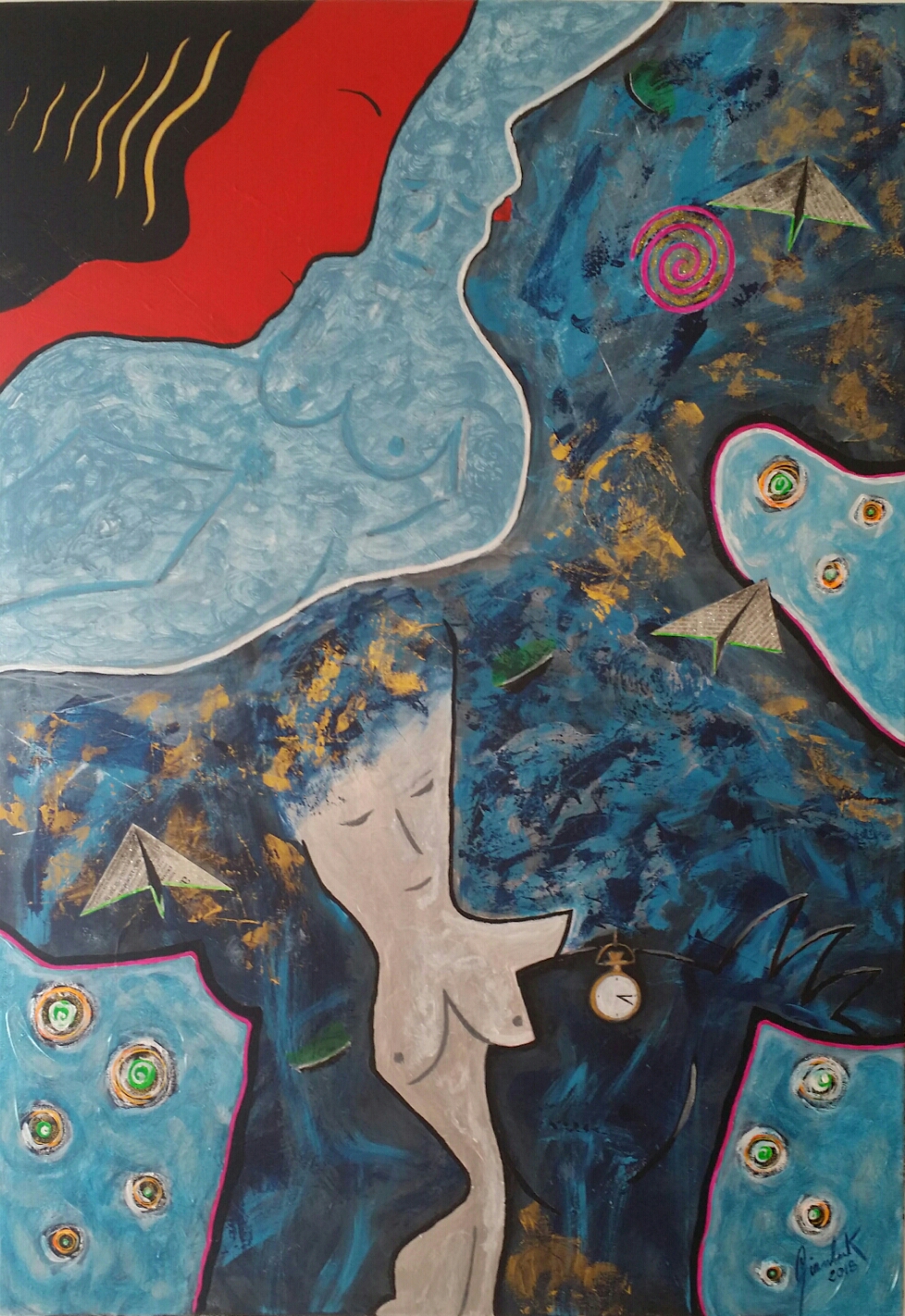
Sognando (i doni di Morfeo)
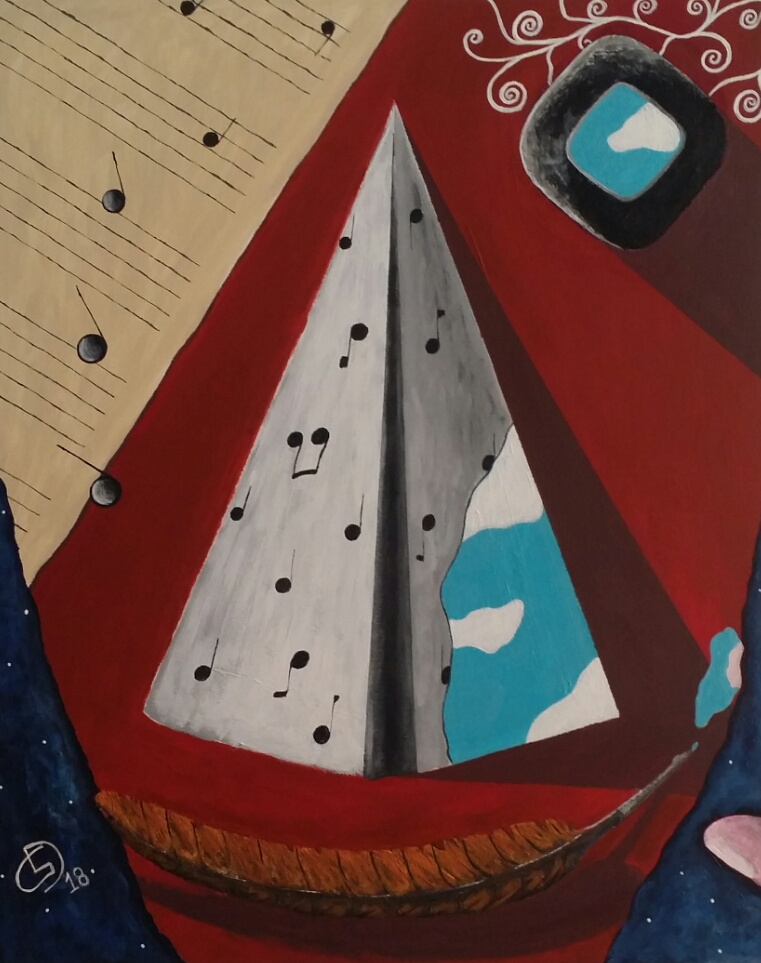
Ritratto di un sogno
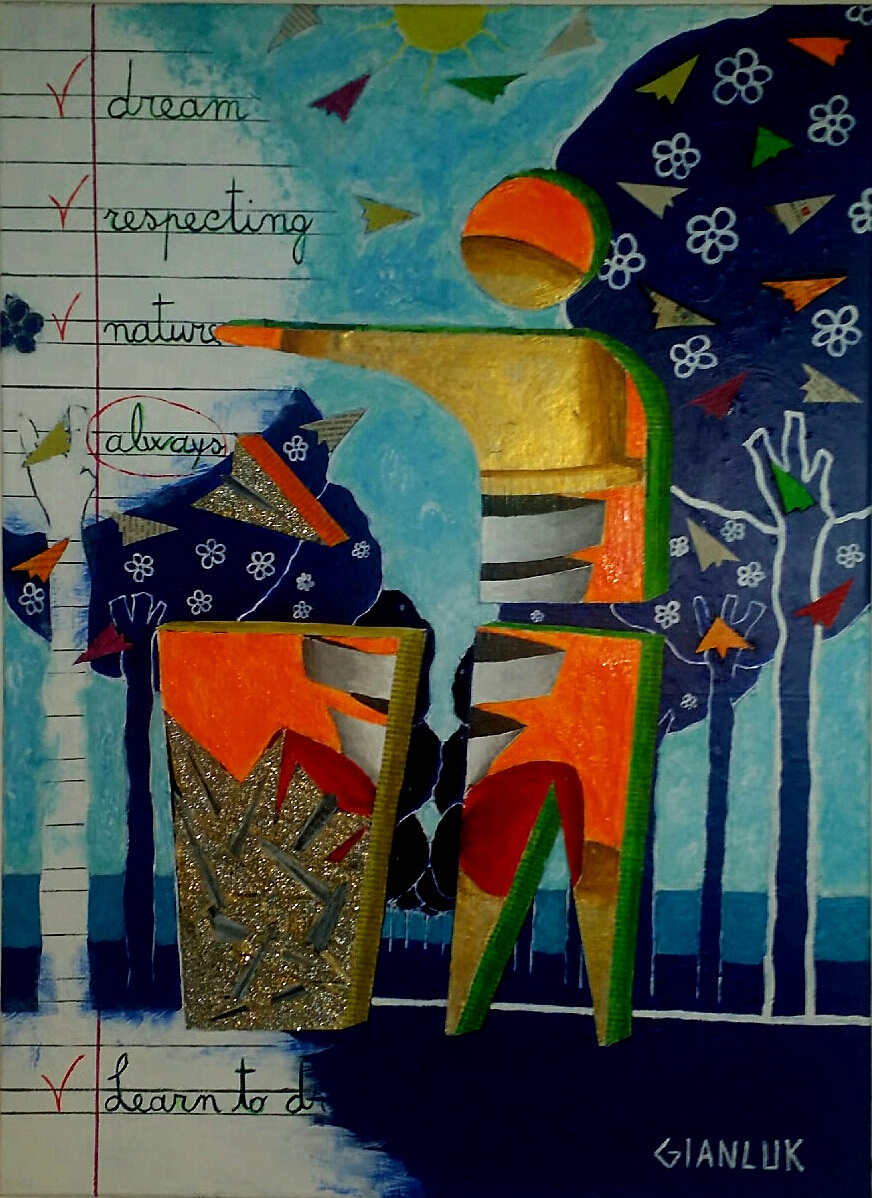
Imparare a sognare
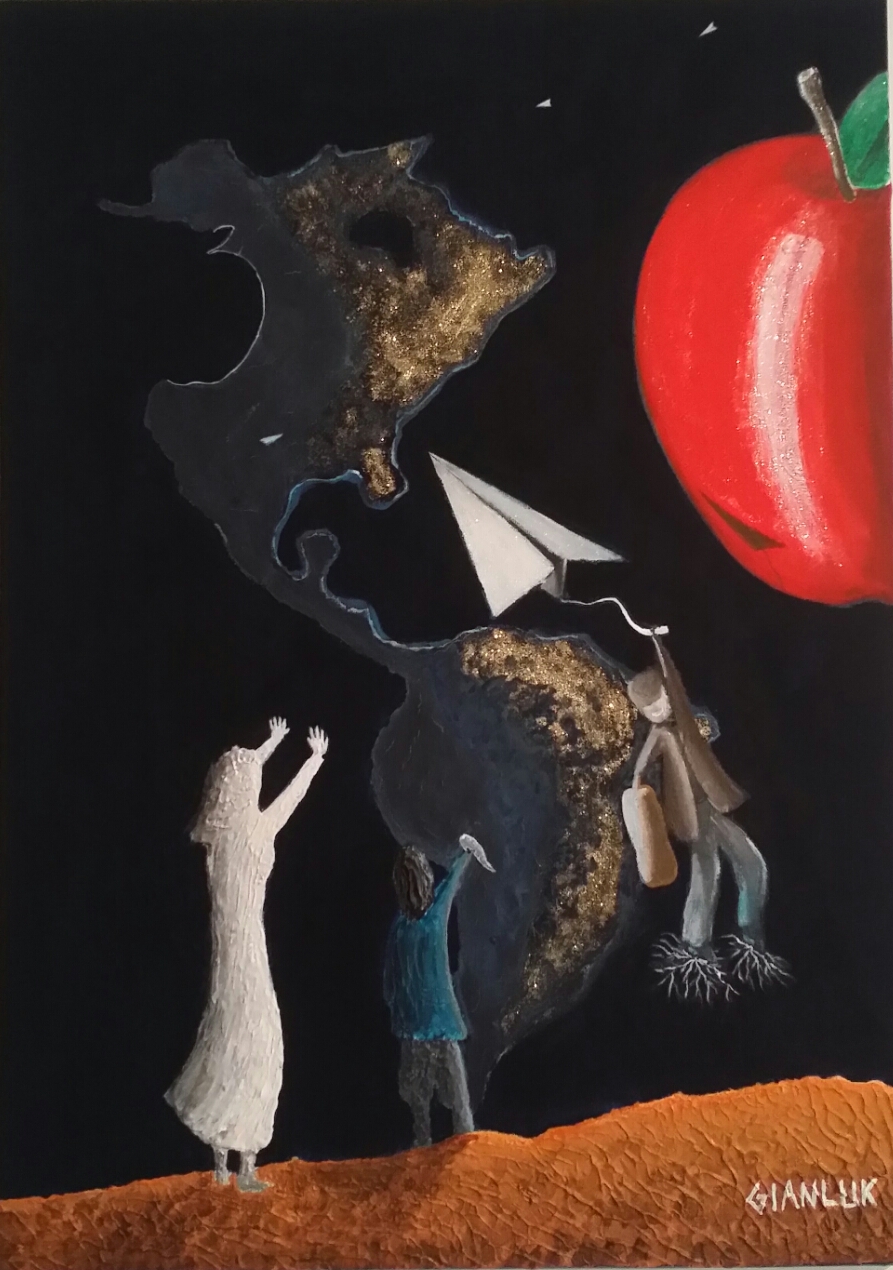
Il sogno americano e la vedova bianca
Il sognatore
Gli aquiloni